
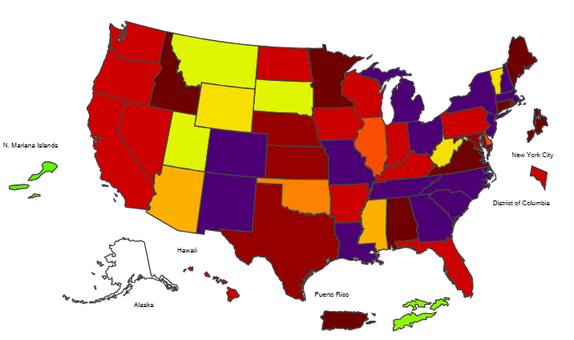
U.S. flu activity has now reached the highest levels in over 25 years, according to the CDC. As of January 3, Georgia is one of 14 states with the very highest levels of flu-related illness.
Of the 7,400 people who have died so far in the U.S., the state Department of Public Health has confirmed 46 deaths in Georgia from flu-associated illness (from October 2025 to January 3). That compares to zero deaths in Georgia during the same time frame of the 2024-25 flu season.
Older adults (ages 65+) and young children have been the hardest hit, but even healthy young adults have been severely ill from the virus.
‘Subclade K’: Why the Vaccine Isn’t a Perfect Match With a New VariantWhen it comes to flu variants, there’s a new kid on the block this flu season—and frankly, it’s not playing very well with others. Called “subclade K,” it’s a new variant of an influenza A subtype (H3N2)—so new that the U.S. flu vaccine doses had already been developed when subclade K showed up in the southern hemisphere. However, health officials say the vaccine still provides crucial protection this season, for the antibodies it creates in your immune system can still recognize and respond to subclade K. This means that while you may still get a mild case of the flu despite getting the vaccine, it provides you very real protection from developing a severe illness that could land you in the hospital.
Want to learn more about “subclade k”? Who’s most at risk this season? What specifically are the complications that having the flu can cause? Click the button below to read related info we’ve developed about this flu season to help you better protect you, your family, and your community!